
Chocolate Angelfish: Appearance, Lifespan & Best Care Tips. Have you ever wondered what makes this stunning freshwater fish a favorite among aquarium enthusiasts? With its deep brown hues and graceful fins, the Chocolate Angelfish is a captivating addition to any tank. But how long do they live, and what care do they need to thrive?
This guide covers everything about the angelfish chocolate cichlid, from its unique appearance to its average lifespan of up to 10 years in optimal conditions.
You’ll also discover essential care tips, including ideal tank setup, water parameters, and diet to ensure a healthy and happy fish. Whether you’re a beginner or an experienced aquarist, these insights will help you raise a thriving Chocolate Angel fish.
Caring for these fish requires knowledge, but with the right approach, they can flourish in your aquarium. Experts like Dr. Paul Loiselle, a renowned aquatic biologist, emphasize the importance of stable water conditions.
So, let’s dive in and explore the secrets to keeping your angelfish chocolate cichlid in peak health!
Chocolate Smokey Angelfish (Pterophyllum scalare) information
The Chocolate Smokey Angel fish, a variant of the Pterophyllum scalare, is admired for its distinct smoky coloration and graceful fins. This type of angelfish showcases a rich, dark chocolate hue blended with lighter patterns, giving it a striking appearance that captivates aquarists.
As a member of the cichlid family, the Chocolate Angelfish is known for its intelligence and social behavior. With proper care, these fish can thrive in a well-maintained aquarium. It’s recommended to keep them in groups, as they enjoy the company of their own kind, which can lead to a more dynamic display in your tank.
When selecting your blushing chocolate angelfish, seek reputable sources to ensure quality and health, as these factors significantly influence their lifespan and overall well-being.
In addition to their stunning appearance, understanding the genetics behind the double dose of the smokey Angelfish can enhance your appreciation for this fish. The unique color patterns result from specific gene expressions, which can vary significantly among individual fish.
Some may exhibit a richer chocolate hue, while others may show lighter shades. Knowing these variations can help aquarists choose the right angel fish that fits their aesthetic preferences and breeding goals.
With their calm nature, these fish can coexist peacefully in a community tank, provided their tank mates are not overly aggressive. Therefore, it’s essential to research and select appropriate companions to avoid stress and aggression in your aquarium.
Blue Chocolate Angelfish Size
The size of Chocolate Angelfish can vary, but they generally reach a length of about 6 to 8 inches when fully grown. This makes them a large enough species to command attention in any freshwater aquarium.
Their size and growth rate can depend on several factors, including water conditions, diet, and overall care provided by the aquarist.
Maintaining a stable environment with regular water changes and appropriate feeding will help these fish thrive and reach their potential size. As they grow, it’s crucial to ensure that the aquarium is spacious enough to accommodate their needs, as overcrowding can lead to stress and aggressive behavior.
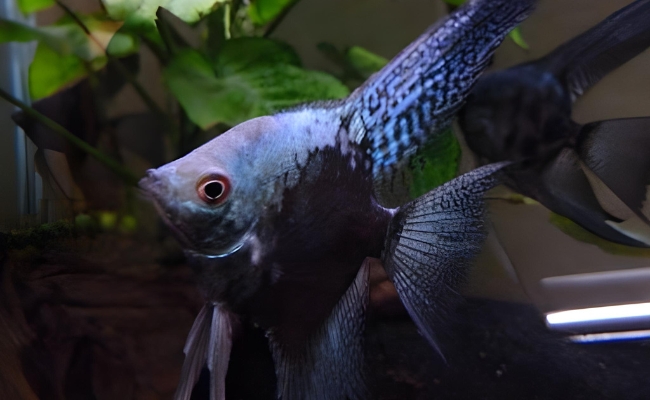
As juvenile Chocolate Angelfish, they may be smaller, measuring around 2 to 3 inches. During this growth phase, they require a diet rich in quality food to support their development.
Many aquarists recommend providing a mix of high-quality flakes, pellets, and live or frozen food to ensure they receive a balanced diet. Monitoring their growth and adjusting tank size accordingly is essential as they mature.
As adults, Chocolate Angel fish can display a range of patterns and sizes, making them an exciting addition to any aquatic collection. Remember, a larger aquarium allows for better water quality and a more stable environment, which is beneficial for these stunning fish.
Chocolate Angelfish Freshwater Care
Caring for Chocolate Angelfish in a freshwater aquarium requires attention to several key factors to ensure their health and longevity. First and foremost, maintaining water quality is critical; regular water changes, ideally 20-30% once a week, can help keep the environment stable.
Blue Chocolate Angelfish thrive in slightly acidic to neutral pH levels, typically between 6.5 and 7.5. It’s also essential to monitor water temperature, which should be maintained between 76°F to 82°F, as this range promotes optimal health and activity for these fish.
Additionally, providing hiding spots, such as plants and decorations, can help reduce stress and create a comfortable habitat.
Feeding Chocolate Angelfish a varied and nutritious diet is vital for their health. High-quality flakes or pellets designed for cichlids can serve as a staple food, supplemented with live or frozen options like brine shrimp, bloodworms, and daphnia.
Feeding them 2-3 times a day, only what they can consume in a few minutes, is advisable to prevent overfeeding and maintain water quality.
Additionally, it’s crucial to observe them for any signs of stress or illness, which can be mitigated by providing a well-maintained environment.
Regular tank maintenance, including checking filtration systems and ensuring proper water parameters, contributes significantly to the overall well-being of Chocolate Angel fish.
Where to Find Chocolate Angelfish for Sale?
Finding Chocolate Angelfish for sale requires some research to ensure you are purchasing healthy specimens from reputable sellers. Local fish stores often carry a selection of freshwater angel fish, including the Chocolate smokey gene.
It’s advisable to inspect the fish closely before purchasing; look for clear eyes, healthy fins, and active behavior.
Additionally, online retailers may offer a broader selection, including specific genetic variants like the Philippine Blue Chocolate or Blue Chocolate Angelfish. Always check customer reviews and shipping policies to ensure the best quality and care during transport.
Another effective way to find angelfish chocolate cichlid is through fish clubs and online forums dedicated to aquarists. These communities often have members who breed angel fish at home and can provide unique color variations and healthy stock.
Purchasing directly from breeders can also allow for better insight into the fish’s lineage and care requirements.
When inquiring about availability, don’t hesitate to ask for specific information regarding the fish’s diet, water conditions, and any unique care tips. Ensuring you are well-informed will help you provide the best environment for your new aquatic addition.
Chocolate Angelfish Tank Mates
When selecting tank mates for Chocolate Angelfish, it’s essential to choose species that are compatible with their temperament and size. Generally, they are known to be peaceful but can exhibit territorial behavior, especially during breeding.
Suitable tank mates include other peaceful cichlids, tetras, and Rasboras. Avoid small fish that may be seen as food, and aggressive species that could stress or harm your angelfish. A well-planned community tank should provide enough space and hiding spots to minimize aggression and encourage social interactions among fish.
Creating a balanced aquarium environment is crucial for the health of your Philippine Blue Chocolate Angelfish. They thrive in a setting where they can establish territories without feeling threatened.
Providing ample plants, driftwood, and decorations can help create a natural habitat that enhances their well-being. It’s also a good idea to introduce tank mates gradually to monitor interactions and ensure harmony.
If you notice any signs of aggression, be prepared to separate the fish to maintain peace in the aquarium. Opting for a diverse group of species can lead to a more vibrant and dynamic display, showcasing the beauty of the Chocolate freshwater angelfish in a thriving aquatic community.
Chocolate Angelfish Breeding
Breeding Chocolate Angelfish can be a rewarding experience for aquarists, provided they understand the necessary conditions and care involved. These fish are egg layers and prefer to spawn on flat surfaces, such as leaves or rocks.
To encourage breeding, it’s essential to maintain optimal water conditions, including slightly warmer temperatures and stable pH levels.
A breeding pair may require a separate breeding tank to reduce stress and protect the eggs from potential tank mates. Once the eggs are laid, they will typically hatch within 24 to 48 hours, and the fry will require special care to ensure their survival.
After the eggs hatch, the parents often take on the role of protecting and guiding their fry. It’s essential to provide suitable food for the fry, which may include finely crushed flake foods or specialized fry food. Monitoring the growth rate and health of the fry is critical during this period.
As they grow, they can be gradually introduced to larger food options and eventually moved to a community tank. Breeding blushing chocolate angelfish requires patience and attention, but the satisfaction of raising a new generation of these beautiful fish can be immensely rewarding.
Conclusion
In conclusion, the smokey Angelfish, with its stunning appearance and unique characteristics, is a fantastic addition to any freshwater aquarium. Understanding their care requirements, including optimal water conditions, proper diet, and suitable tank mates, is vital to ensuring their health and longevity. Whether you are a seasoned aquarist or a beginner, these fish can provide a captivating experience with their social behaviors and beautiful colors. By following the tips outlined in this article, you can create a thriving environment for your Blue Chocolate Angelfish, allowing them to flourish and bring life to your aquatic world.
You may also like…
- Different Angelfish Types: Stunning Varieties for Your Tank
- Japanese Angelfish: Stunning Marine Fish for Saltwater Tanks
- Black Lace Angelfish Care Guide: (Tips for Thriving Angels)
- Blue Angelfish Freshwater: Care, Habitat, and Tank Setup