Breeding Bleeding Heart Tetras can be a rewarding and fascinating experience for aquarium enthusiasts. One of the most exciting parts of the breeding process is successfully hatching the eggs. Several essential tips are needed to ensure a successful bleeding heart tetra egg hatching process.
This Tetras care guide will discuss five critical tips for successfully hatching Bleeding Heart Tetra eggs.
From maintaining the ideal water conditions to providing proper nutrition, these tips will help you increase your chances of seeing your tiny tetra fry hatch and grow into healthy, thriving fish.
Whether you are a beginner breeder or an experienced aquarium keeper, these tips will provide valuable insights into the hatching process and help you succeed in breeding Bleeding Heart Tetras.
So, learn how to ensure a successful hatching for your Bleeding Heart Tetra eggs.
Bleeding Heart Tetra Breeding Water Parameters
Breeding the Bleeding Heart Tetra (Hyphessobrycon erythrostigma) requires specific water parameters in the breeding tank. These tropical fish prefer slightly acidic water with a pH of around 6.5.
A substrate of fine leaf litter or peat moss can help mimic their natural habitat. It is vital to keep the water acidic to encourage spawning. In a school of these peaceful fish, keeping them with other tetra species or slow-moving fish like diamond tetras or hatchetfish is best.
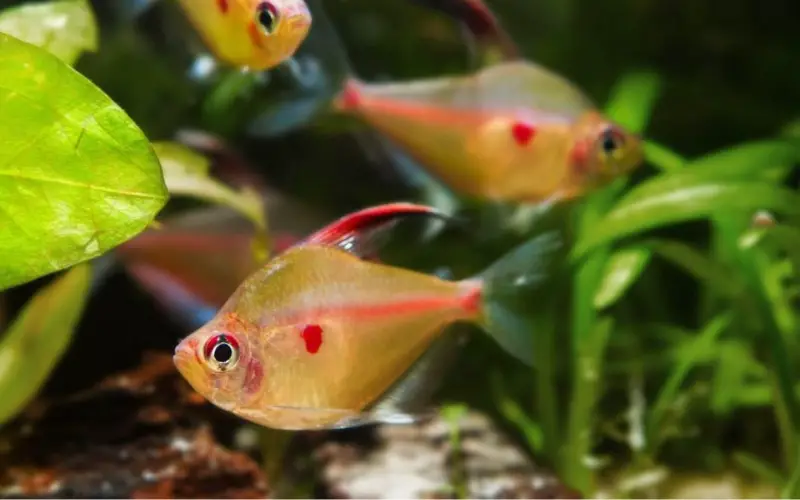
When breeding, a pair of adult bleeding heart tetras will lay eggs on vegetation in the tank. Removing the eggs from the tank is essential to prevent other fish from eating them.
To enable breeding, it’s recommended to have a separate breeding tank for the bleeding heart tetras. This tank should have the same acidic water parameters as the main tank, with plenty of vegetation for the tetras to lay their eggs on.
A school of 3 bleeding heart tetras can be successfully bred in a separate tank. It’s essential to carefully monitor the tank to ensure other fish do not eat the eggs. With the right conditions, these beautiful fish can spawn and produce offspring.
5 Tips for Successful Bleeding Heart Tetra Eggs Hatching
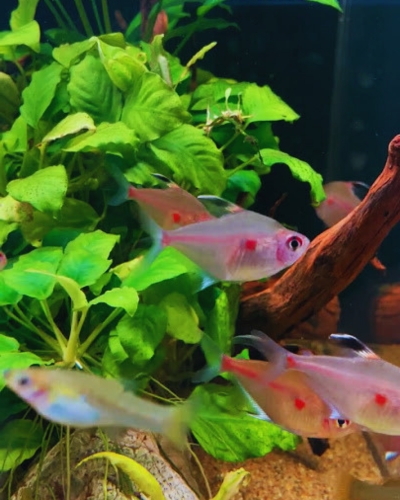
Breeding fish can be a fascinating and rewarding experience, and if you’re specifically interested in breeding bleeding heart tetras, you’re in for a treat! These beautiful schooling fish are known for their distinctive red markings and graceful swimming patterns.
To help you ensure successful bleeding heart tetra egg hatching, here are five essential tips to keep in mind:
1. Provide a separate breeding tank:
Prepare a separate tank specifically for breeding. This tank should be well-maintained, ideally with soft and slightly acidic water conditions that mimic their natural habitat.
2. Create ideal spawning conditions:
Offer suitable spawning conditions by adding fine-leaved plants like Java moss or spawning mops. These materials provide a safe place for the tetras to lay their eggs, protecting them from being eaten by other fish in the community tank.
3. Monitor water parameters:
Maintain stable water conditions, including temperature, pH levels, and water hardness. Optimal conditions for bleeding heart tetras are a temperature around 78-80°F (25-27°C), a pH level of 6.5-7.0, and slightly soft water.
4. Provide a nutritious diet:
Ensure that the breeding pair receives a varied and nutritious diet. Offer high-quality flake foods, live or frozen foods such as brine shrimp or daphnia, and occasional treats like bloodworms. A well-balanced diet improves the fish’s overall health and breeding success.
5. Remove the parents after spawning:
Bleeding heart tetras are known to eat their eggs, so it is crucial to remove the parents from the breeding tank immediately after the eggs are laid. This allows the eggs to develop undisturbed in a separate environment.
Following these five tips can increase the chances of successful bleeding heart tetra egg hatching. Remember, patience is vital, and closely monitoring the eggs’ progress as they develop is essential. With proper care and attention, you’ll soon be rewarded with a delightful batch of tiny fry swimming about in your aquarium. Happy breeding!
Commonly Asked Questions about Sexing Bleeding Heart Tetras (FAQs)
How do bleeding heart tetras breed?
Bleeding Heart Tetras are egg scatterers. The female releases eggs among plants, and the male fertilizes them externally. They prefer soft, slightly acidic water for spawning.
How do you tell the difference between male and female bleeding heart tetras?
Look for fins! Male bleeding heart tetras have noticeably longer, pointed dorsal and anal fins than the shorter, rounded fins of females.
What is the mating behavior of tetras?
Tetra mating involves energetic chasing, nipping, and dancing by the males. Females release eggs while males fertilize them. Both often scatter quickly.
Do tetras eat their eggs?
Yes, tetras, including bleeding hearts, will readily eat their eggs if left in the tank. Separate breeding adults or use spawning mats to improve egg survival.
How to breed a bleeding heart tetra?
Breeding bleeding heart tetras is challenging. Aim for soft, acidic water, a breeding tank, and slightly higher temperatures. Remove parents after spawning and feed hatched fry infusoria.
Conclusion
As you’ve discovered, the bleeding heart tetra is more than a pretty fish. It brings a vibrant splash of color and captivating behavior to any aquarium. Its social nature and peaceful demeanor make it ideal companions for other peaceful species. But remember, even the most well-intentioned aquarist can be caught off guard by a surprise!
Should you find yourself with a tankful of bleeding heart tetra eggs, be prepared for a thrilling journey of parenthood. These delicate eggs require careful attention and a specific environment to thrive. Remember, knowledge is power – researching the best techniques for hatching and raising these tiny fish will give your bleeding hearts a fighting chance to blossom into a vibrant school of their own.
So, welcome to the world of the bleeding heart tetra. May your journey be filled with vibrant colors, playful antics, and the satisfaction of witnessing these remarkable creatures thrive in your care.
Recommended participants last Posts
- Ideal Bleeding Heart Tetra Tank Size: Setup, Plants & Décor
- Bleeding Heart Tetra Aggressive? The SECRET You Need To Know!
- Bleeding Heart Tetra Breeding 101 (A Comprehensive Guide)
- Bleeding Heart Tetra Male Vs Female: Spotting the Difference
- Black Skirt Tetra Fish 101: A Comprehensive Beginners Guide!
- Diamond Tetra Fish 101: The Ultimate Aquarium Care Guide!