Finding the perfect Pictus catfish tank mates can be tricky. These active and social fish need companions that match their energy and won’t turn into a snack. So, what are the best fish to pair with them?
Ideal tank mates for pictus catfish include Silver Dollars, Giant Danios, and Rainbow Sharks. These species are fast-moving, similar in size, and won’t provoke your catfish. Keeping peaceful yet lively fish together ensures a thriving and stress-free aquarium.
But the list doesn’t stop there! Many other great options can coexist with your Pimelodus pictus without trouble. Let’s dive in and explore the best choices to keep your aquarium lively and balanced.
Are Pictus Catfish Schooling Fish?
Pictus catfish are indeed schooling fish, which means they thrive when kept in groups. Ideally, a group of at least three to six pictus catfish will help replicate their natural habitat, allowing them to exhibit their social behaviors.
In a larger tank, these catfish swim actively, showcasing their playful nature, and can often be seen darting around the aquarium together.
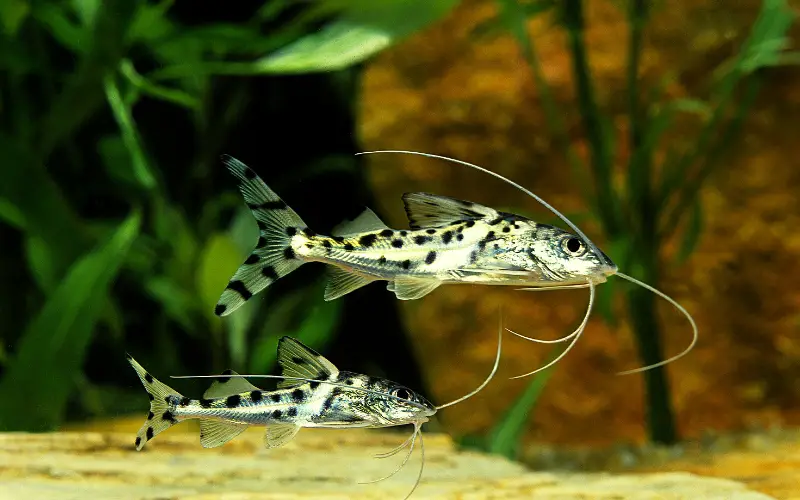
Moreover, being nocturnal creatures, they appreciate having tank mates that can keep them company during the night, further enriching their environment. A well-stocked tank encourages interaction, making your aquarium more lively and visually appealing.
In addition to their schooling nature, it’s essential to consider the size and setup of the tank. A minimum of a 40 gallon tank is recommended for a small group of pictus cats, allowing ample swimming space and hiding spots.
These catfish prefer to explore the upper and middle levels of the tank, so incorporating decorations like driftwood and plants can help create an engaging habitat. Overall, keeping pictus catfish in groups not only enhances their well-being but also provides an exciting display for aquarium enthusiasts.
Are Pictus Catfish Aggressive?
Pictus catfish are generally not aggressive; however, their active nature and size can sometimes lead to territorial behavior, particularly in smaller tanks. They are considered peaceful fish that get along well with various community fish species.
Despite this, larger fish might feel threatened by the swift movements of pictus cats, leading to occasional squabbles. It’s essential to monitor their interactions, especially during feeding times, as they can be competitive eaters, often displaying more dominant behavior when food is introduced into the tank.
To prevent any potential aggression, it’s crucial to provide plenty of space and hiding spots in the aquarium. This will allow all tank mates, including cichlids and other bottom dwellers, to establish their territories.
In a well-planned community tank, pictus catfish can coexist peacefully with other species, such as danios and barbs. By ensuring a balanced environment with appropriate tank mates, you can enjoy the beauty and uniqueness of pictus catfish while maintaining harmony in your aquarium.
Can Catfish Go in a Community Tank?
Yes, catfish, including pictus catfish, can thrive in a community tank setting. Their peaceful temperament makes them suitable companions for a variety of fish species, as long as the tank is appropriately sized and well-maintained.
A community aquarium that includes a mix of active swimmers like danios and docile fish such as corydoras can create a dynamic and interesting ecosystem. However, being mindful of the size and compatibility of different fish species is crucial to ensure a harmonious environment.
It’s also important to consider the feeding habits of all fish in the community tank. Pictus catfish are omnivores and enjoy a diet of bloodworm, brine shrimp, and high-quality pellets.
Providing a balanced diet for all species in the aquarium will help prevent competition over food resources. Additionally, creating hiding spots with plants or rocks will allow more timid fish to feel secure. With the right mix of fish and careful planning, pictus catfish can be a delightful addition to a community tank.
What Fish Can You Keep with a Pictus Catfish?
When selecting tank mates for pictus catfish, consider peaceful fish that occupy different levels of the aquarium. Some excellent options include Cory catfish, which serve as bottom dwellers, and fast-moving species like danios or rainbowfish that prefer the upper regions.
Smaller fish such as tetra and gourami can also coexist well, provided they are not overly territorial. It’s vital to ensure that tank mates are of a similar size to prevent any unwarranted stress or competition.
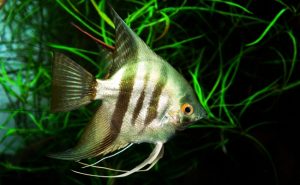
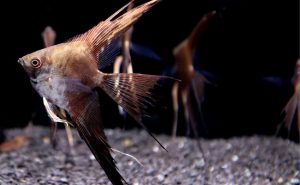
Additionally, fish like plecos and otocinclus serve as effective algae eaters, contributing to tank cleanliness while being non-aggressive. If you wish for a more colorful environment, you might consider integrating species like angelfish or opaline gourami, as long as there are sufficient hiding spots.
Always monitor the interactions between different fish, especially during feeding times, to ensure a peaceful community. By carefully selecting compatible species, you can create a diverse and thriving aquarium ecosystem.
Top Pictus Catfish Tank Mates
Pictus catfish (Pimelodus pictus) are active, social, and peaceful fish that make great additions to community tanks. However, they can grow up to 5-6 inches and are fast swimmers, so their tank mates need to be chosen carefully.
Here are some of the best tank mates for Pictus catfish that you can find in any fish store:
1. Similar-Sized Peaceful Fish
- Angelfish: Calm and mid-water swimmers that won’t compete with Pictus catfish.
- Gouramis: Peaceful and slow-moving, but avoid smaller species like dwarf gouramis.
- Rainbowfish: Active and colorful, they occupy the upper levels of the tank.
- Swordtails: Hardy and active, they can handle the fast-paced environment.
2. Larger Tetras
- Black Skirt Tetras: Hardy and fast enough to avoid being bothered.
- Congo Tetras: Larger and peaceful, they add color to the tank.
- Serpae Tetras: Active and robust, but avoid fin-nipping tendencies.
3. Bottom-Dwelling Fish
- Corydoras Catfish: Peaceful and social, they share the bottom area well.
- Bristlenose Plecos: Algae eaters that stay out of the way of Pictus catfish.
- Loaches: Clown loaches or yoyo loaches are good companions.
4. Larger Barbs
- Tinfoil Barbs: Fast and large enough to coexist with Pictus catfish.
- Rosy Barbs: Peaceful and active, they can handle the same water conditions.
5. Other Catfish
- Raphael Catfish: Nocturnal and peaceful, they won’t compete for space.
- Synodontis Catfish: Similar in behavior and size, they make great tank mates.
6. Semi-Aggressive Fish
- Oscars: If the tank is large enough (75+ gallons), Oscars can coexist with Pictus catfish.
- Jack Dempsey Cichlids: Only in very big tanks with plenty of hiding spots.
Tank Mate Considerations
- Avoid Small Fish: Pictus catfish may eat small fish like neon tetras or guppies.
- Avoid Aggressive Fish: Avoid cichlids like African cichlids or aggressive species that may harm the Pictus catfish.
- Tank Size: Pictus catfish need at least a 55-gallon tank due to their size and activity level.
- Water Parameters: Keep the water temperature between 75-81°F (24-27°C), pH 7.0-7.5, and ensure good filtration.
By choosing tank mates that are peaceful, similar in size, and active, you can create a harmonious community tank for your Pictus catfish!
Pictus Catfish Care and Habitat
Pictus catfish care involves maintaining a clean and spacious habitat that mimics their natural environment. A minimum tank size of 40 to 60 gallons is recommended to accommodate their active swimming habits.
The tank should be equipped with a substrate that allows for easy exploration, along with plenty of hiding spots created by driftwood and plants. A well-filtered tank is essential, as pictus catfish produce a significant amount of waste, which can affect water quality.
Water parameters are also crucial for pictus catfish health; they thrive in slightly acidic to neutral pH levels and prefer temperatures between 75°F and 82°F. Regular water changes, ideally 25% weekly, will help maintain optimal conditions.
Additionally, a varied diet including high-quality pellets, brine shrimp, and bloodworms will promote their overall health and vibrant coloration. By focusing on these care aspects, you can enjoy the lively presence of pictus catfish in your aquarium for years to come.
Commonly Asked Questions about the Best Tank Mates for Pictus Catfish (FAQs)
What are some good tank mates for Pictus Catfish?
Compatible tank mates for Pictus Catfish include active fish like cory catfish, glass catfish, and danios, as they are fast-moving and can coexist well in a community tank.
Can I keep a Betta fish with Pictus Catfish?
It is not recommended to keep a Betta fish with Pictus Catfish due to the Betta’s territorial behavior. The Pimelodus pictus may also be too boisterous for the Betta.
What type of fish can I add to a tank with Pictus Catfish?
You can add small fish like celestial pearl danios or kuhli loaches, as they are peaceful and will thrive in a tank environment with Pimelodus pictus.
How big of a tank do I need for Pictus Catfish and their tankmates?
A minimum of 55 gallons is recommended for keeping Pictus Catfish and their tankmates, as they require space to swim and establish territories.
Do Pictus Catfish get along with cory catfish?
Yes, Pictus Catfish generally get along well with cory catfish. Both species tend to occupy different levels of the tank and can coexist peacefully.
What is the maximum size of Pictus Catfish?
Pictus Catfish can grow up to 12 inches in length, so it is important to provide them with ample space in the tank.
Are there any special considerations when keeping Pictus Catfish with a common pleco?
Yes, keeping a common pleco with Pictus Catfish can work, but ensure that the tank is large enough to accommodate both species and that there are plenty of places to hide.
What should I feed Pictus Catfish and their tankmates?
Pimelodus pictus can be fed sinking pellets, daphnia, and other meaty foods, while their tankmates, like Cory and glass catfish, can benefit from a varied diet including flakes and pellets suitable for small fish.
Can Pictus Catfish live with kribensis?
Pictus Catfish can potentially live with kribensis, but caution is advised as kribensis can be territorial, especially during breeding.
What plants can I use in a tank with Pictus Catfish?
Java fern and other hardy aquatic plants can be used in a tank with Pictus Catfish to provide hiding places and enhance the scape of the tank.
Conclusion
In conclusion, pictus catfish are delightful additions to any community aquarium, provided they have suitable Pictus catfish tank mates. Their schooling nature and peaceful temperament make them compatible with various fish species, such as Cory catfish, danios, and plecos. By ensuring a well-maintained tank environment and selecting compatible fish, you can create a vibrant and harmonious ecosystem that showcases the beauty of pictus catfish. Remember to monitor interactions and maintain optimal water conditions to keep all your fish healthy and happy. With thoughtful planning, your pictus catfish will thrive alongside their chosen companions, creating an enjoyable aquatic display.
You might also like
- Spotted Talking Catfish 101: A Comprehensive Beginner Guide!
- Can Pictus Catfish Live with Goldfish: (The Shocking Truth)
- Four Line Pictus Catfish 101: A Comprehensive Care Guide!
- Are Pictus Catfish Aggressive: 5 Sneaky Signs & Quick Fixes!
- Pimelodus Pictus Catfish: 3 Pro Hacks for Vibrant Tanks!
- How Long Can a Catfish Live: a Comprehensive Beginners Guide
- Pictus Catfish Size: 5 Astonishing Facts You Won’t Believe!
- Bristlenose Pleco Tank Size: 3 HUGE Mistakes You’re Making!
- 5 Powerful Best Food for Pictus Catfish Secrets for Ultimate Thriving
- Can Cory Catfish Live with African Cichlids: (Tank Mates or Foes?)