When setting up an aquarium, choosing the right tank mates for guppies is essential to create a harmonious community. But what truly transforms your aquarium into a captivating underwater haven is finding the best guppy tank mates to share the space.
Guppies, known for their vibrant colors and lively behavior, thrive in peaceful environments. Therefore, selecting compatible fish and invertebrates will not only enhance the aesthetics of your tank but also contribute to the overall health and well-being of your aquatic ecosystem.
This article will explore the best tank mates for a guppy fish and provide insights on maintaining a balanced aquarium.
Ready to find out who your guppies’ next best friends could be? Let’s explore the ultimate list of compatible tank mates and learn how to set up an aquarium that’s as lively as it is harmonious!
Which Fish Can I Keep Guppies With? Guppy Fish Overview
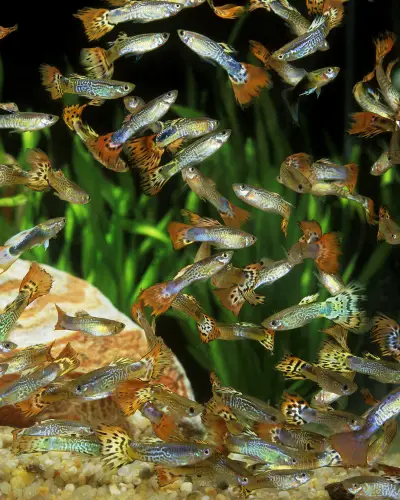
What are good tank mates for guppies? Guppies are small, colorful freshwater fish that belong to the family Poeciliidae. These live-bearing fish are incredibly popular among aquarium enthusiasts due to their hardiness and ease of care.
Guppies are social creatures that thrive in groups, making them ideal candidates for community fish tanks. When considering fantail guppies optional tank matess, it’s crucial to understand their temperament and environmental needs. Guppies prefer a minimum tank size of 20 gallons, with live plants and ample swimming space to accommodate their active nature.

By selecting fish that are peaceful and compatible with guppies, you can create a thriving aquarium that showcases their vibrant personalities.
In general, guppies are known for their friendly disposition, but they can be territorial during breeding. Therefore, it is essential to keep a balanced ratio of male and female guppies in your aquarium.
Male guppies, with their stunning fins and colors, are often more aggressive when competing for female attention.
A well-planned community tank will include a mix of guppies and other peaceful fish that share similar water parameters, such as temperature and pH levels. This ensures that all species can get along with guppies harmoniously, providing a lively and colorful display for your aquarium.
Which Fish are Compatible Tank Mates with Guppies?
What fish can guppies live with? When selecting compatible tank mates for guppies, it is essential to consider the fish’s temperament and size. Peaceful, social fish are ideal, as they can coexist without causing stress or aggression.
Tetras, such as neon tetras, are an excellent choice due to their schooling behavior and compatibility with guppies. These small fish thrive in groups and prefer similar water conditions, making them perfect companions in a community tank.
Additionally, other live-bearing fish, such as platies and mollies, also get along well with guppies, bringing vibrant colors and lively movement to your aquarium.
Another consideration when choosing good tank mates for guppies is the size of the fish. Smaller, non-aggressive species are less likely to nip at guppies’ fins or compete aggressively for resources.
For instance, Corydoras catfish are peaceful bottom-dwellers that help clean the tank while posing no threat to guppies. Similarly, certain types of snails, like nerite and mystery snails, can be beneficial tank mates, as they help control algae growth without disturbing the guppies.
Overall, it’s crucial to choose fish that are not only compatible but also complement the guppies’ active lifestyle and peaceful nature.
The Top 7 Best Guppy Tank Mates
If you’re a guppy enthusiast, you already know how vibrant and lively these little swimmers can be. But what truly transforms your aquarium into a captivating underwater haven is finding the best guppy tankmates to share the space.
Choosing the right companions for your guppies isn’t just about aesthetics—it’s about creating a balanced, peaceful environment where all your aquatic friends that can living with guppies peacefully.
1. Mollies
Mollies are among the best fantail guppies optional tank mates due to their calm demeanor and similar care requirements. These live-bearing fish come in various colors and patterns, adding visual interest to your aquarium. Mollies thrive in freshwater and prefer slightly alkaline water, similar to guppies.
They are social fish that enjoy the company of their own kind, so it’s best to keep them in groups. When housed together, guppies and mollies create a lively atmosphere, as both species are active swimmers and enjoy exploring their environment. Moreover, mollies can help maintain a balanced ecosystem by consuming algae, benefiting the overall health of your aquarium.
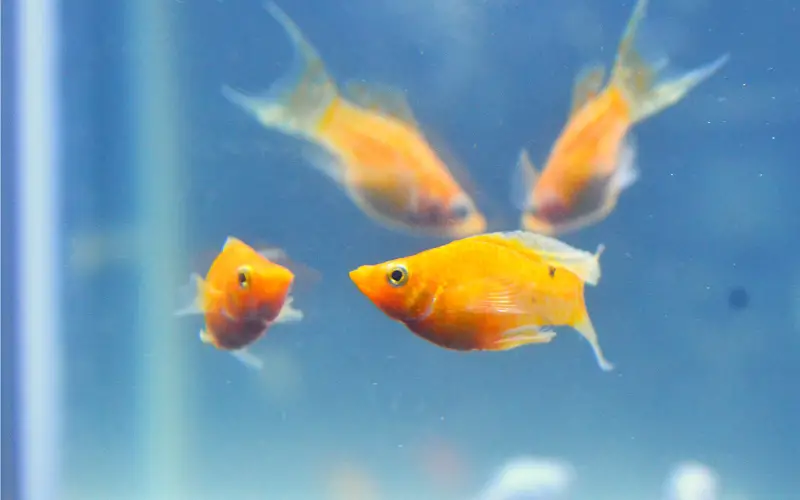
In terms of tank size, mollies and guppies require a minimum of 20 gallons to thrive together. This space allows them to swim freely and reduces territorial disputes. When introducing mollies to your guppy tank, it’s essential to monitor their interactions during the first few weeks.
While both species are generally peaceful, some individual personalities may lead to minor skirmishes. Overall, with proper care and attention, mollies can make excellent companions for guppies, resulting in a vibrant and stable community tank.
2. Ember Tetra
Ember tetras are small, colorful schooling fish that make an excellent addition to any guppy tank. With their striking orange hue and peaceful nature, they add a splash of color while thriving in similar water conditions as guppies.
These social fish prefer to be kept in groups of at least six, which helps them feel secure and reduces stress. When kept alongside guppies, ember tetras create a dynamic and visually appealing environment, as both species are active swimmers that enjoy exploring their surroundings.
The combination of vibrant colors from both fish types enhances the overall aesthetic of your aquarium.
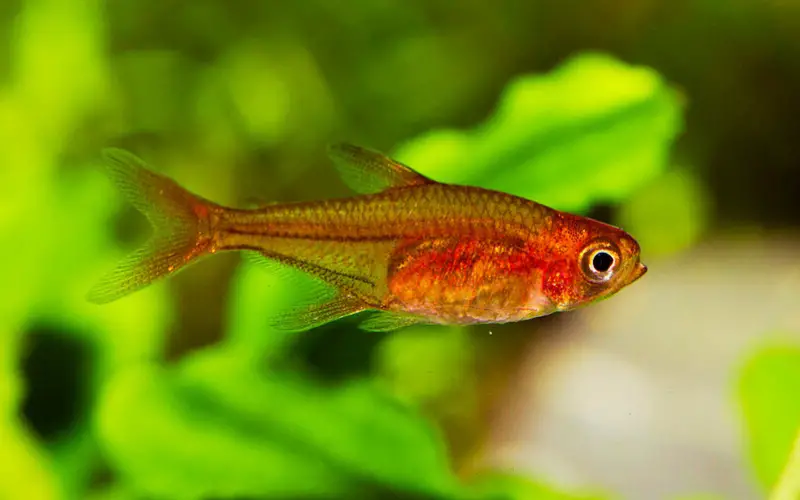
Ember tetras are also hardy and adaptable, making them suitable for beginners and experienced aquarists. They prefer a well-planted tank with plenty of hiding spots, which benefits both guppies and ember tetras by providing safe spaces to retreat when needed.
Additionally, their small size means they won’t compete aggressively for food or resources, allowing guppies to thrive alongside them. By maintaining a balanced community aquarium with ember tetras, you create a peaceful environment that fosters the growth and well-being of all inhabitants.
3. Nerite Snails
Nerite snails are excellent guppy fish tank mates, primarily because they are peaceful and help maintain a clean aquarium. These freshwater snails are known for their algae-eating capabilities, which can greatly benefit a guppy tank by reducing excess algae growth.
Their unique patterns and colors add visual interest, making them a delightful addition to your aquatic setup. Nerite snails thrive in a variety of water conditions and are compatible with guppies, as they do not compete for food or space.
Their calm demeanor ensures that they won’t disturb the guppies, allowing for a harmonious community tank.
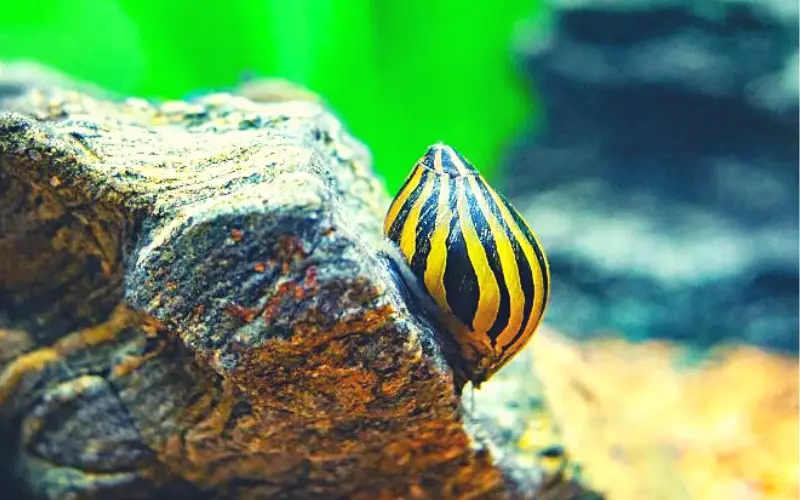
One of the significant advantages of keeping nerite snails with guppies is their low maintenance requirements. They can adapt to different tank sizes and conditions, making them suitable for various aquarium setups.
However, it’s essential to ensure that your tank has plenty of surfaces for the snails to graze on, as they primarily feed on algae and detritus. By incorporating nerite snails into your guppy tank, you not only enhance the visual appeal but also contribute to a cleaner and healthier environment for all aquatic species.
4. Mystery Snails
Mystery snails are another fantastic option for tank mates in a guppy aquarium. Known for their beautiful shells and vibrant colors, these freshwater snails are peaceful and easy to care for. Like nerite snails, mystery snails help control algae and detritus, promoting a cleaner tank environment.
They thrive in similar water conditions as guppies, making them compatible tank mates. Their slow-moving nature ensures that they won’t disturb the energetic guppies, allowing both species to coexist without stress.
Mystery snails are also known for their interesting behaviors, providing additional entertainment in your aquarium.
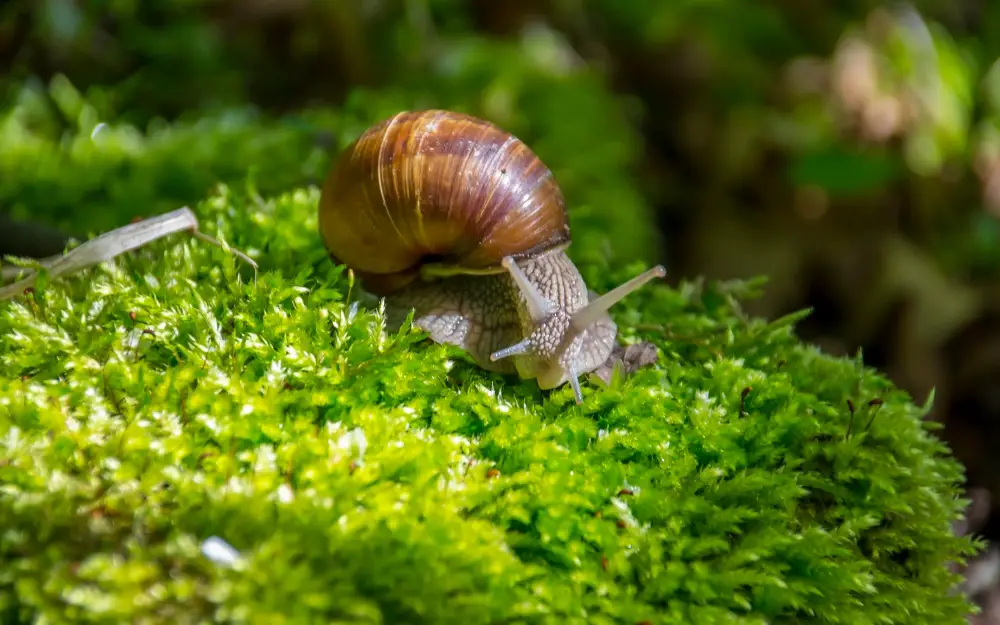
When keeping mystery snails with guppies, ensure that your tank is adequately sized, as these snails can grow quite large. A minimum tank size of 20 gallons is ideal, allowing for sufficient swimming space for guppies and grazing space for snails.
Additionally, mystery snails require a varied diet that includes algae wafers, blanched vegetables, and specially formulated snail food. By providing an appropriate diet and environment, you can create a thriving community tank that showcases the beauty and harmony of both guppies and mystery snails.
5. Dwarf Neon Rainbowfish
Dwarf neon rainbowfish are an excellent addition to a guppy tank, thanks to their vibrant colors and friendly nature. These small, schooling tropical fish thrive in groups and prefer well-planted tanks, making them perfect companions for guppies. Dwarf neon rainbowfish are known for their active swimming patterns, adding life to your aquarium while coexisting harmoniously with guppies.
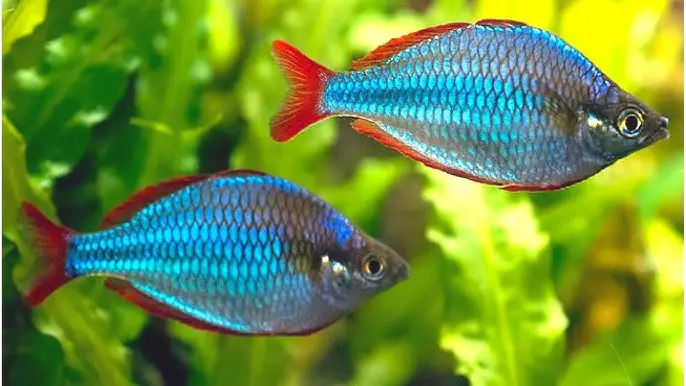
Both species enjoy similar water parameters, such as temperature and pH, ensuring a suitable environment for all aquatic inhabitants. Their peaceful temperament allows them to thrive alongside guppies without causing stress or aggression.
When introducing dwarf neon rainbowfish to your guppy tank, ensure that you maintain a minimum school of six fish to promote their natural behavior. These social fish feel more secure when kept in groups, which helps reduce territorial disputes.
Additionally, providing ample swimming space and hiding spots will create a comfortable environment for both guppies and rainbowfish. By carefully selecting tank mates like dwarf neon rainbowfish, you can enhance the beauty of your aquarium while ensuring a peaceful and thriving community for all species.
6. Platies
Platies are another fantastic choice for tank mates for guppies, as they share similar care requirements and peaceful temperaments. These live-bearing fish come in various colors and patterns, bringing vibrancy to your aquarium.
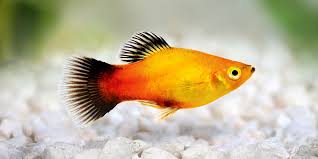
Platies are social fish that thrive in schools, making them ideal companions for guppies. When housed together, both species create a lively atmosphere, as they are active swimmers that enjoy exploring their environment. Moreover, platy fish can help control algae growth, benefiting the overall health of your aquarium.
To ensure a successful community tank, it is essential to maintain a proper male-to-female ratio when keeping platies with guppies. This balance helps minimize territorial behavior and aggression during breeding.
Additionally, providing a minimum tank size of 20 gallons allows both species to swim freely and reduces competition for resources. By incorporating platies into your guppy tank, you create a vibrant and diverse community that showcases the beauty of both species while promoting a peaceful coexistence.
7. Cory Catfish
Corydoras catfish, commonly known as cory catfish, are peaceful bottom-dwellers that make excellent guppies tank mates. Their friendly disposition and sociable nature allow them to coexist harmoniously in a community tank. Cory catfish thrive in schools, so it’s best to keep them in groups of at least six.
They help maintain a clean aquarium by scavenging leftover food and detritus, benefiting the overall health of your aquatic environment. Additionally, their playful behavior and unique appearance add visual interest to your guppy tank.
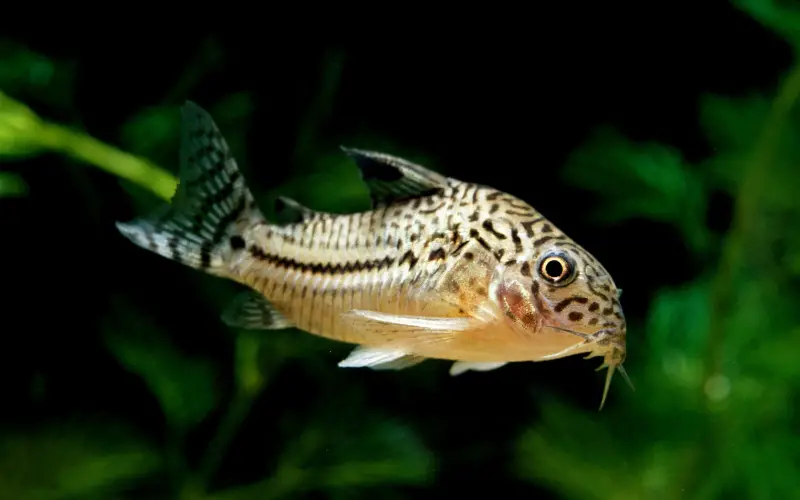
When introducing cory catfish to a tank with guppies, it’s essential to ensure a suitable tank size, as these fish require ample swimming space. A minimum tank size of 20 gallons is recommended to accommodate both species comfortably.
Additionally, providing hiding spots and plants will help create a secure environment for the corys. By incorporating Cory catfish into your guppy aquarium, you can create a balanced ecosystem that promotes the health and happiness of all its inhabitants, resulting in a vibrant and thriving community.
(Corydoras paleatus)
The Corydoras paleatus, also known as the peppered cory, is a popular variant of Corydoras catfish that is particularly well-suited for community tanks alongside guppies. This species exhibits a delightful spotted appearance, which adds a unique visual element to your aquarium.
Like other corydoras, they are peaceful, bottom-dwelling fish that thrive in groups, which helps them feel secure and reduces stress. Their scavenging habits make them valuable additions to a guppy tank, as they help keep the substrate clean by consuming leftover food and detritus.
This behavior not only benefits the overall health of the aquarium but also promotes a balanced ecosystem.
When keeping Corydoras paleatus with guppies, it is crucial to provide a minimum tank size of 20 gallons to accommodate both species comfortably.
These fish prefer a well-planted tank with plenty of hiding spots, which helps them feel secure and encourages natural behaviors. Additionally, ensuring that the substrate is soft and sandy will protect their sensitive barbels, allowing them to forage effectively.
By including Corydoras paleatus in your guppy tank, you create a diverse and thriving community that showcases the beauty and harmony of freshwater fish.
Summary of the 16 Best Tank Mates for Guppies
In summary, the best tank mates for guppies include a variety of peaceful and social fish and invertebrates that share similar care requirements. From mollies and ember tetras to various types of snails and Corydoras, each of these species contributes to a vibrant and harmonious aquarium environment.
When selecting tank mates, it’s essential to consider factors such as size, temperament, and compatibility with guppies. By creating a balanced community tank, you can enjoy the beauty of your guppies and their companions while maintaining a healthy aquatic ecosystem.
Other notable guppies tank mates include platies, dwarf neon rainbowfish, and red cherry shrimp. Each of these species offers unique characteristics that enhance the overall beauty and dynamics of your aquarium.
Remember to monitor interactions and maintain appropriate tank conditions to ensure a thriving community. By carefully selecting and managing your fancy guppy tank mates, you can create a stunning aquatic display that showcases the best of freshwater fishkeeping.
Guppy Tank Mates to Avoid
While many fish make excellent companions for guppies, some species should be avoided to ensure a peaceful aquarium environment. Fish such as Kuhli loaches and dwarf gourami can exhibit territorial or aggressive behaviors that may stress or harm guppies.
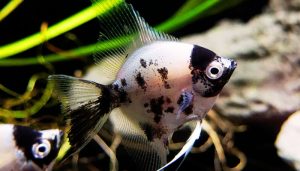
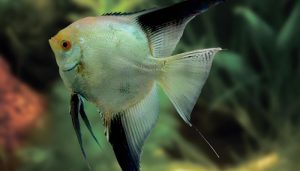
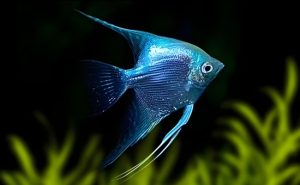
Additionally, freshwater angelfish and female betta fish are known for their aggressive tendencies and should not be kept with guppies. It is essential to research potential tank mates thoroughly to avoid conflicts and maintain a harmonious community tank.
In particular, female bettas can be especially aggressive towards guppies, as they may view them as competitors or threats. Similarly, freshwater angelfish can become territorial as they grow, posing a risk to smaller fish like guppies.
Therefore, it is crucial to choose compatible species and avoid potential conflicts. By being mindful of your guppy tankmates, you can create a peaceful and thriving aquatic environment.
1. Kuhli Loaches
Kuhli loaches are bottom-dwelling fish that are generally peaceful; however, they can sometimes display territorial behavior, especially in smaller tanks. While they may seem like suitable companions for guppies, their activity level and tendency to dig can disrupt the substrate, potentially causing stress for the guppies.
Additionally, their need for ample hiding spots and space to roam may conflict with the guppies’ swimming patterns, leading to competition. For these reasons, it’s best to avoid keeping Kuhli loaches with guppies, opting instead for more peaceful tank mates that promote a harmonious community tank.
Furthermore, Kuhli loaches prefer a soft substrate to burrow, which may not be ideal in a heavily planted guppy aquarium. Their nocturnal nature means they are more active during the night, which can lead to disturbances when guppies are trying to rest.
If you are considering a community tank with guppies, it’s better to select species that complement their active and friendly nature. By avoiding Kuhli loaches, you can maintain a peaceful and thriving aquarium environment for your guppies and their compatible tank mates.
2. Dwarf Gourami
Dwarf gouramis are colorful freshwater fish that get along with guppies due to their peaceful nature; however, they can occasionally display territorial behavior, especially during breeding. This tendency can lead to stress and aggression towards guppies, making them less than ideal tank mates.
Additionally, dwarf gouramis prefer slightly different water conditions than guppies, which can further complicate their compatibility. For a harmonious community tank, it’s best to avoid pairing dwarf gouramis with guppies to ensure the well-being of all inhabitants.
Moreover, dwarf gouramis are known to be solitary fish that may become aggressive when they feel threatened. This behavior can lead to disputes with guppies, especially if the tank is not adequately sized or lacks hiding spots.
To create a stable aquarium environment, opt for more compatible and peaceful fish that thrive alongside guppies without causing stress or aggression. By avoiding dwarf gouramis, you can promote a serene community tank that showcases the beauty of your guppies and their compatible companions.
3. Freshwater Angelfish
Freshwater angelfish are stunning and majestic aquatic creatures; however, they are not suitable tank mates for guppies. As they grow, angelfish can become territorial and aggressive, especially towards smaller fish like guppies.
Their size and predatory nature may pose a threat to guppies, leading to stress and potential harm. Therefore, it’s essential to avoid keeping angelfish in a guppy tank to maintain a peaceful environment. Selecting more compatible species will ensure that your community tank thrives and showcases the beauty of all its inhabitants.
In addition to their aggressive tendencies, angelfish require a larger tank size and specific water conditions that may not align with those preferred by guppies. Their need for vertical space and the potential for territorial disputes make them an unsuitable choice for a community aquarium with guppies.
To create a harmonious environment, focus on peaceful, smaller species that can coexist without causing stress or aggression. By steering clear of freshwater angelfish, you can foster a healthy and thriving aquarium that highlights the vibrant personalities of your guppies and their compatible tank mates.
4. Female Betta Fish
Female betta fish are often considered to be less aggressive than their male counterparts; however, they can still display territorial behaviors that make them unsuitable tank mates for guppies. These fish may view guppies as competition, leading to potential aggression and stress.
Additionally, the fin-nipping behavior exhibited by some female bettas can be harmful to the delicate fins of guppies. Therefore, it’s best to avoid keeping female bettas with guppies to ensure a peaceful and thriving aquarium environment.
Moreover, female bettas thrive in well-planted tanks with plenty of hiding spots, which may not align with the needs of guppies. Their territorial nature can lead to disputes over space and resources, causing stress for both species.
To create a harmonious community tank, it’s essential to select fish that are compatible with guppies and share similar care requirements. By avoiding female bettas, you can ensure a serene aquarium environment that allows guppies and their compatible companions to flourish.
Creating a Compatible Community Aquarium Tank with Guppies
Creating a compatible community aquarium tank with guppies can be a rewarding endeavor for both novice and experienced aquarists. When choosing the right type of fish, it’s essential to select small and peaceful fish that will thrive alongside your guppy’s vibrant colors.
Guppies are popular for their beautiful, colorful fish patterns and are considered hardy fish, making them an ideal choice for a community setup. It’s best to keep them in groups of six, as this helps reduce stress and allows their natural behaviors to flourish.
In a 10-gallon tank, you can introduce other freshwater fish that are similar in size, such as freshwater shrimp or other fish species that are known to be peaceful and compatible.
When planning your aquarium, ensure that the tank is large enough to accommodate the adult size of all your chosen type of freshwater fish. Guppies, for example, will thrive with freshwater fish that is native to similar environments.
You might consider adding brine shrimp as a supplementary food source, as these fish often enjoy them. Remember, it’s important to choose only fish that will coexist harmoniously in your setup. Lastly, don’t forget to include tank cleaners to maintain a healthy aquatic environment, ensuring your small tank remains a vibrant community for your fish are best cared for.
Conclusion
Creating a thriving guppy community goes beyond providing clean water and nutritious food. Understanding their social dynamics is crucial. Guppies are peaceful and thrive in a bustling environment, making them excellent additions to a community tank.
Remember to consider factors like size, temperament, and activity levels when choosing tank mates. By carefully selecting compatible species, you can create a harmonious underwater world where your guppies can flourish. For the most successful and vibrant guppy tank, research the best guppy tank mates to ensure a peaceful and thriving community. I hope this is helpful! Let me know if you’d like me to expand on any of these points.
You might also like
- Are Guppies Fin Nippers: 3 Guppy Aggression Signs (Solved)
- How Many Guppies Can Be in a 20 Gallon Tank? (Must-Read)
- How Long Do Guppy Live: 7 Easy Tips to Prolong Their Life
- How Many Guppies Can Be in a 10 Gallon Tank: (Exclusive Guide)
- Can Guppies Mate with Mollies? Molly Guppy Hybrid (Solved)
- Are Guppies Schooling Fish? Let’s Clear Up All the Confusion
- Will Different Types of Guppies Breed? (An Exclusive Guide)
- How Long Are Guppies Pregnant For: (A Comprehensive Guide)