Did you know that maintaining the right pH level is crucial for your guppies’ health? A balanced environment ensures they thrive, but what is the ideal range? Let’s dive into the perfect Guppy pH Level that keeps your fish active, vibrant, and stress-free.
Guppies thrive in a pH range of 6.8 to 7.8, with 7.0 to 8.0 being optimal for their well-being. Keeping the water stable within this range prevents stress, disease, and poor growth.
Experts like Dr. Paul Loiselle, a renowned aquarist, emphasize the importance of consistency in water parameters for healthy guppies.
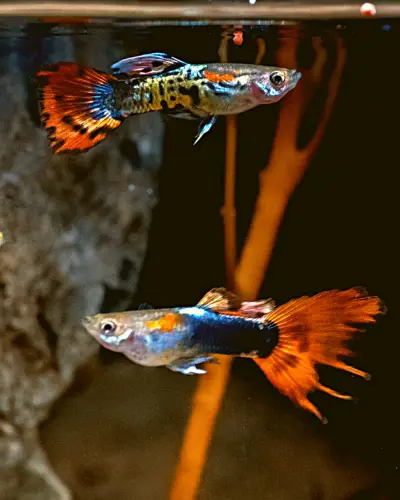
But pH balance isn’t the only factor affecting your guppies’ health. Temperature, water hardness, and tank maintenance all play vital roles. Let’s explore everything you need to know to create the perfect habitat for your guppies!
Why Are My Guppy Fish Dying?
There are several reasons why guppy fish may die, and one significant factor is the water quality in their aquarium. Poor water conditions, such as high levels of ammonia or nitrite, can be detrimental to guppies, making them susceptible to diseases.
A pH level that is either too high or too low can lead to stress and compromise their immune system, further increasing the likelihood of illness.
Moreover, if the fish are not properly acclimated to new tank conditions, they may experience shock, which can be fatal. Regular water changes and monitoring of pH levels are essential to ensure a stable environment for your guppies.
In addition to water quality, the overall tank environment plays a vital role in the health of guppies. If the tank is overcrowded or lacks suitable hiding spots, fish can become stressed, leading to behavioral issues and decreased health.
Female guppies, especially when pregnant, require a peaceful environment to give birth to fry. Male guppies can also become aggressive, particularly in a confined space, which can result in injuries or stress-related deaths.
Therefore, maintaining an appropriate tank size and ensuring a balanced ratio of male to female guppies is key to their well-being.
What Is the Best pH Level for Guppies?
The optimal guppy fish water ph level generally falls within a range of 6.5 to 8.0, with a neutral pH being ideal. Guppies are quite adaptable; however, sudden changes in pH can be harmful.
A stable pH level is essential for their health, as values below 7 are considered acidic and may not be suitable for these livebearers. Conversely, a pH of 8.2 can indicate hard water that may not be ideal for breeding.
New guppy owners should strive to maintain a pH level that mimics the conditions found in their native habitats in South America, where guppies are commonly found in both acidic and neutral waters.
Testing the guppy fish ph level regularly is important, especially after performing large water changes or introducing new fish to the tank.
Using a reliable aquarium pH test kit can help you monitor these changes effectively. If the pH is too high, it may be beneficial to consider adding driftwood or aquatic plants, which can help lower the pH naturally.
Additionally, using well water or soft water can also assist in maintaining the desired pH range, making it easier to keep guppy fish happy and healthy.
What Do Guppies Need in Their Tank?
To keep guppies healthy, it is crucial to recreate an environment that meets their needs. This includes maintaining appropriate water conditions, such as pH and hardness, as well as providing adequate tank space.
A 10-gallon tank is often recommended for a small trio of guppies, while larger tanks can accommodate more fish and contribute to better water quality.
Providing adequate filtration is essential to remove waste and maintain stable water parameters. It’s also important to regularly perform water changes, ensuring that the guppies thrive in a clean and safe environment.
Additionally, incorporating live plants, such as java moss or hornwort, can enhance the tank’s aesthetics while providing hiding spots for fry and reducing stress levels. Plants help absorb excess nutrients and can contribute to stable pH levels.
Guppies also benefit from a varied diet that includes high-quality flakes, frozen foods, and occasional live foods, ensuring they receive all necessary nutrients for growth and reproduction.
If keeping shrimp or other tank mates like neon tetras, it is important to ensure compatibility, as some species may prey on smaller fish or fry.
Commonly Asked Questions about the Best ph Level for Guppies (FAQs)
What is the optimal pH level for keeping fancy guppies healthy?
The optimal pH level for fancy guppies is typically between 7.0 and 7.6, although they can tolerate a wider range. A pH of 8.2 is considered high for guppies but may be suitable if acclimation is done slowly.
How does the pH level in tap water affect guppy health?
Tap water often has a pH level that can vary significantly. If the pH is too high or too low, it can stress the fish and affect their health. It’s advisable to test your tap water’s pH and adjust it if necessary before introducing your guppies.
What should I do if my guppies are experiencing a pH change?
If the pH of the aquarium changes rapidly, it can stress guppies. It’s important to perform gradual adjustments using buffers, and you might consider using a filter to maintain stable water conditions.
Can a high pH level be harmful to guppies?
A: Yes, a high pH level can be harmful to guppies, especially if it exceeds 8.0. Regular monitoring and gradual adjustments are crucial to ensure the pH stays within a safe range for the fish’s health.
How do I measure the pH level in my aquarium?
You can measure the pH level using a pH test kit or a digital pH meter. These tools provide an accurate measurement of the hydrogen ion concentration in the water.
What are the consequences of keeping guppies in water with lower pH levels?
Keeping guppies in water with lower pH levels can lead to stress, poor health, and a weakened immune system. It’s important to maintain a pH level that is suitable for livebearers like guppies.
How does the hardness of water (GH and KH) influence guppy pH levels?
The hardness of water, measured by GH (general hardness) and KH (carbonate hardness), can influence pH stability. Higher levels of KH can help buffer the pH, preventing drastic changes that could affect guppies.
Are there any specific strains of guppies that require different pH levels?
A: While most guppy strains, including fancy guppies, thrive in similar pH ranges, some specific breeder strains may have unique requirements. It’s essential to research the specific needs of the strain you have.
What are some natural ways to maintain a stable pH in my aquarium?
You can maintain a stable pH by adding natural elements like coral or snails that release minerals into the water, which can help buffer the pH. Regular water changes and monitoring can also help keep the pH stable.
Conclusion
In conclusion, maintaining the optimal pH level is essential for keeping guppy fish healthy and happy in your aquarium. By understanding the specific needs of these vibrant livebearers, including their pH requirements, water quality, and environmental conditions, you can create a thriving habitat. Regular monitoring of guppy fish ph levels and water conditions will help prevent diseases and ensure that your guppies live long, fulfilling lives. As a beginner, investing time in understanding these key aspects will pay off, allowing you to enjoy the beauty and joy that guppies bring to your aquarium.
Ultimately, keeping guppies healthy involves more than just monitoring pH levels; it requires a holistic approach to aquarium care. By providing a suitable tank size, appropriate tank mates, and a balanced diet, you can foster a thriving community of guppies. Remember to engage with fellow aquarium hobbyists on forums to share experiences and gather tips on maintaining optimal conditions. With dedication and knowledge, your guppy tank can flourish, showcasing the vibrant colors and lively behaviors that make these fish so beloved among enthusiasts.
You might also like
- Guppy Fin Rot Treatment: Causes, Symptoms & Quick Treatment!
- What Does Guppy Fry Eat: 5 Nutritional Foods for Rapid Growth!
- Guppy Tank Setup 101: Best Practices (Low Tech, Low Budget)
- Why Guppy Fish Staying at Top of Tank: 7 Causes & Solutions
- How Long Does Guppy Live: 7 Easy Tips to Prolong Their Life
- How to Set Up a Guppy Breeding Tank: 7 Easy Tips (Explained)