Angelfish Size Explained: What to Expect as They Grow. Have you ever wondered how big your angelfish will get? Whether you’re a beginner or an experienced aquarist, understanding their growth pattern is crucial for proper tank setup and care. Let’s explore what you can expect as your angelfish mature.
Angelfish typically grow up to 6 inches in length and 8 inches in height, depending on genetics, diet, and tank conditions.
Juveniles start small, around a dime in size, but they can reach their full size within a year. Proper nutrition and a spacious tank play vital roles in their healthy growth.
But there’s more to angelfish growth than just size. Factors like water quality, tank mates, and diet impact their development. Ready to dive deeper into this care guide for freshwater angelfish? Let’s uncover everything you need to know about angelfish growth!
The Average Angelfish Size
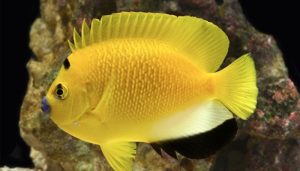
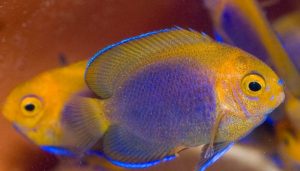
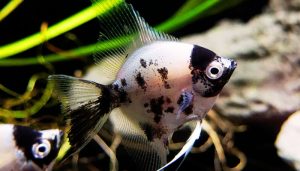
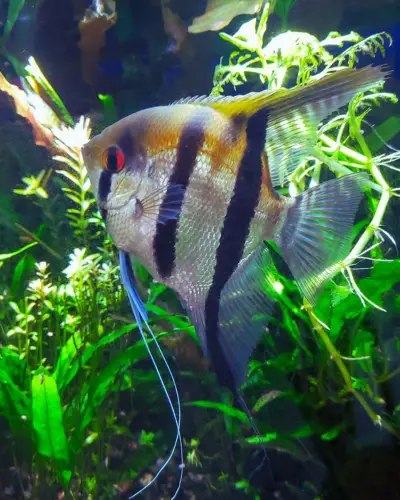
The average size of angelfish can vary significantly depending on the species. The freshwater angelfish typically reaches about 6 inches in length, while the altum angelfish can grow even larger, sometimes reaching up to 8 inches. Their height is also notable, as angelfish can be quite tall due to their fin structure, which adds to their overall appearance.
As angelfish grow, their size can have an impact on tank requirements, making it essential for fish owners to plan accordingly. Additionally, angelfish are known for their territorial behavior, especially during breeding, which influences their spatial needs in an aquarium.
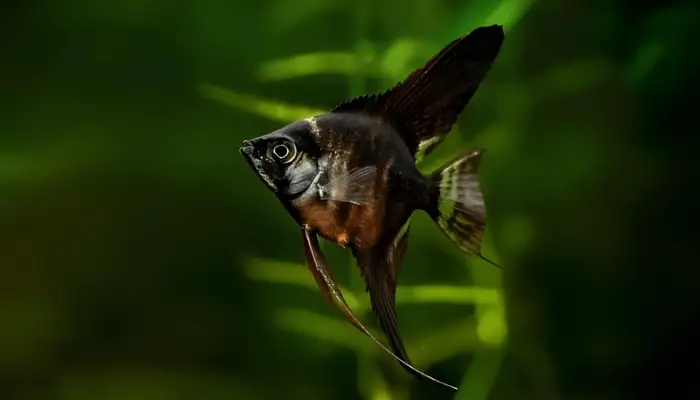
When considering the average angelfish size, it is important to note that individual growth can be influenced by factors such as diet, tank conditions, and genetics.
Angelfish that are kept in a well-maintained 55-gallon tank tend to grow healthier and larger than those in smaller environments. Adequate space allows them to swim freely and develop their fins fully.
For those interested in breeding angelfish, understanding their growth patterns is crucial, as pairs of angelfish will need sufficient space to establish territories and lay eggs successfully.
What Size Do Angelfish Reach in an Aquarium?
In an aquarium setting, angelfish can reach sizes similar to their average size, but this can vary based on tank conditions. In a well-maintained aquarium with good water quality and a proper diet, angelfish can achieve their maximum potential size.
Generally, they may grow up to 6-8 inches in length over a period of 6 to 12 months. However, keeping a single angelfish in a smaller tank can stunt their growth, leading to health issues in the long run. Therefore, it is crucial to provide an appropriate tank size and environment to ensure optimal growth.
Moreover, the growth rate of angelfish can be influenced by their tankmates. In a community aquarium, the presence of other aquarium fish species, such as catfish or tetra, can either complement or hinder their growth.
A planted tank can also enhance their environment, providing hiding spots and reducing stress, which ultimately contributes to better growth rates. Therefore, it is essential to monitor their growth closely to adjust their care and tank conditions accordingly to foster a healthy environment.
Angelfish Size Chart:
Here’s a simple Angelfish Size Chart for popular species of angelfish
| Angelfish Type | Average Size (Length) | Maximum Size (Length) | Notes |
|---|---|---|---|
| Freshwater Angelfish | 6 inches (15 cm) | 10 inches (25 cm) | Common in home aquariums. |
| Altum Angelfish | 7 inches (18 cm) | 12 inches (30 cm) | Taller body, more delicate to care for. |
| Leopold’s Angelfish | 4 inches (10 cm) | 6 inches (15 cm) | Smaller and less common. |
| Marine Angelfish | 8–12 inches (20–30 cm) | 24 inches (60 cm) | Larger species, found in saltwater. |
What Are the Best Tank Mates for Angelfish?
Choosing the right tank mates for angelfish is essential for maintaining a peaceful aquarium environment. Suitable companions include larger species such as catfish and certain types of tetra, which can coexist harmoniously with angelfish.
However, it is crucial to avoid aggressive fish, such as betta fish, as they may provoke territorial behavior in angelfish cichlids. Additionally, keeping smaller fish can also pose a risk, as angelfish may see them as potential prey, particularly when they are hungry.
When selecting tank mates, consider the size and temperament of the fish. A well-planned community aquarium that includes peaceful species can create a visually appealing and dynamic environment.
It’s also advisable to introduce new fish gradually, allowing angelfish to adjust to their presence without becoming overly territorial. Overall, the right tankmates can enhance the overall health and happiness of angelfish, ensuring a balanced and harmonious ecosystem within the aquarium.
How to Breed Angelfish Successfully?
Breeding angelfish can be a rewarding experience for aquarists, but it requires careful planning and preparation. To breed angelfish successfully, it’s essential to set up a breeding tank that mimics their natural environment.
Providing a breeding tank with clean water, appropriate temperature, and plenty of hiding spaces will encourage angelfish to lay eggs. Ideally, pairs of angelfish should be introduced to the breeding tank, as they tend to form strong bonds.
Once the female lays eggs, both parents will take turns guarding and caring for the eggs, which typically hatch in about 2-3 days.
During the breeding process, a proper diet is crucial. Feeding them high-quality foods like brine shrimp can promote healthy growth and enhance their breeding success. It’s also important to monitor the breeding tank closely, as angelfish can exhibit territorial behaviors and may become aggressive towards each other or tank mates.
If the conditions are right, and the angelfish feel secure, they will likely engage in successful breeding, leading to the hatching of baby fish and the continuation of their lineage.
What Are the Common Problems Faced by Angelfish Owners?
Angelfish owners may encounter several common problems that can affect the health and well-being of their fish.
One of the most frequent issues is poor water quality, which can lead to stress and disease. Regular water testing and maintenance are essential to prevent fluctuations in parameters that can harm angelfish.
Additionally, overcrowding in the tank can cause aggression and territorial disputes, particularly during breeding. Owners should ensure they provide ample space for their angelfish, ideally in a 55-gallon tank or larger.
Another challenge faced by angelfish owners is maintaining a balanced diet. Providing a varied diet is crucial for their health, as improper nutrition can lead to stunted growth and a weakened immune system.
Owners should include high-quality flakes, pellets, and occasional live or frozen foods like brine shrimp to meet their nutritional needs.
By being vigilant about the common problems faced by angelfish, owners can ensure their fish thrive and enjoy a healthy, vibrant life in the aquarium.
Commonly Asked Questions about Angel Fish Size Tank (FAQs)
What size tank do angelfish need as they grow?
As angelfish are a very popular species of fish, they need an appropriate tank size to thrive. A minimum of a 20-gallon tank is recommended for one angelfish, but larger tanks are better if you plan to keep multiple fish.
What is the ideal tank environment for angelfish?
The ideal tank environment for angelfish includes warm aquarium water with a temperature of 76-82°F. Additionally, providing plants and hiding spots can help create a comfortable habitat for these feisty angels.
How fast do angelfish grow?
Freshwater angelfish can grow quite quickly, reaching around 6 inches in height within the first year. However, growth may slow down as they reach maturity, which can take up to a year and a half.
What are appropriate tank mates for angelfish?
When selecting appropriate tankmates for angelfish, consider species of fish that are similar in size and temperament, such as tetras or gouramis. Avoid smaller fish that may be seen as food or overly aggressive fish that can stress the angelfish.
How can I pick healthy angelfish when buying?
To pick healthy angelfish, look for active fish with vibrant colors and no signs of disease such as white spots or lethargy. Healthy angelfish tend to have clear eyes and smooth fins, and they should be swimming actively in their tank.
Can angelfish live with koi in the same tank?
It is not advisable to keep angelfish with koi in the same tank. Koi can grow much larger than angelfish and may create a stressful environment due to their size and behavior, making them inappropriate tank mates.
How do I maintain the water quality for my angelfish?
Maintaining good water quality is essential for angelfish health. Regularly test your aquarium water for ammonia, nitrites, and nitrates. Perform partial water changes every week, and ensure the tank’s filtration system is efficient.
What substrate is best for the bottom of the tank for angelfish?
A soft substrate is best for the bottom of the tank for angelfish. This can include sand or fine gravel, which allows for easy digging and helps to maintain the overall health of the aquarium environment.
What should I feed my angelfish to ensure they grow healthy?
To ensure your angelfish grow healthy, provide a varied diet that includes high-quality flakes, pellets, and occasional live or frozen foods such as brine shrimp or bloodworms. A balanced diet will help them thrive and maintain vibrant colors.
Conclusion
Understanding angelfish size and their growth in an aquarium is essential for successful fishkeeping. By providing ideal tank conditions, selecting compatible tankmates, and addressing common problems, aquarists can create a thriving environment for these beautiful fish. Whether you’re interested in breeding angelfish or simply enjoying their presence, following proper care guidelines will lead to a rewarding experience. With the right knowledge and dedication, angelfish can flourish and bring joy to your aquatic world.
Recommended posts
- The Complete Guide to Angelfish Tank Setup and Breeding Tips
- Full Grown Angelfish: Size, Care, and Tank Requirements
- Angelfish Different Types – Stunning Varieties for Your Tank
- Angelfish Tank Size Guide – Ideal Space for Your Pet Fish
- How Many Angelfish in a 55 Gallon Tank: (The Secret Formula)
- How Many Angelfish can be in a 75 Gallon Tank (The Right Number)
- Can You Put Angelfish in a 20 Gallon Tank? (Pros & Cons)