The Angelfish History: Their Origins & Aquarium Journey—have you ever wondered where these elegant swimmers come from? Angelfish have captivated aquarists worldwide with their striking appearance and graceful movements. But their journey from the wild to home aquariums is filled with fascinating twists.
Native to the slow-moving waters of the Amazon Basin, angelfish have a rich evolutionary background.
Their distinct shape and adaptability make them a favorite in freshwater tanks. Experts like Dr. Paul Loiselle, a renowned ichthyologist, highlight their resilience and aesthetic appeal in aquarium culture.

Yet, there’s more to their story than just beauty and adaptability. How did angelfish transition from the wild to become one of the most popular aquarium species? Let’s explore their origins, evolution, and how they’ve become a staple in home aquariums today!
What Is the History of the Angelfish: (Angelfish History)
Angelfish, belonging to the genus pterophyllum, are a diverse group of species of fish within the cichlidae family. The first recorded species was the scalaris, identified in 1823.
Since then, different species of pterophyllum, such as the silver angelfish and leopoldi, have emerged, with marine angelfish also gaining popularity. These popular fish are often kept in aquariums, where they thrive in warm conditions, around 75-82°F (24-28°C).

Angelfish prefer environments with roots and plants, providing shelter for young fish and adult fish alike. Breeding angelfish involves careful rearing, as they may spawn in tanks and require live food like bloodworm for optimal growth.
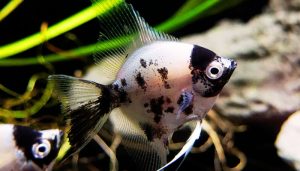
Over the years, angelfish have continued to captivate aquarists with their striking appearance and behavior. Their bodies are elongated, adorned with beautiful colors and patterns that resemble a leopard or a blush of vibrant hues.
In 1909, the black lace variant was introduced, adding to the diversity of this fascinating group. Angelfish can be sensitive, and it’s crucial not to overfeed them, as this can lead to health issues.
Tank mates should be chosen carefully to ensure compatibility, as angelfish may jump to content if they feel threatened. With proper care, these fish can thrive and bring beauty to any aquarium.
What Are Some Fun Facts About Angelfish?
Angelfish are fascinating creatures with several interesting traits and behaviors. Here are some fun facts about them:
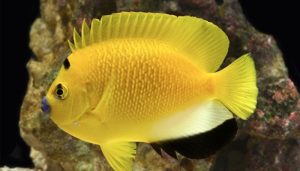
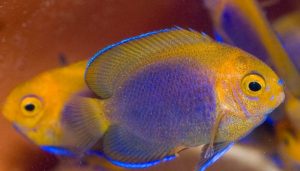
- Species Variety: There are both freshwater and marine angelfish. Freshwater angelfish belong to the cichlid family and are popular in aquariums, while marine angelfish are found in coral reefs and belong to the Pomacanthidae family.
- Unique Shape: Freshwater angelfish have a distinctive triangular shape with elongated fins, which makes them easily recognizable. Marine angelfish are more rounded and brightly colored.
- Colorful Patterns: Marine angelfish are known for their vibrant colors and intricate patterns, which can change as they mature. Juvenile marine angelfish often look completely different from adults.
- Social Behavior: Freshwater angelfish are social creatures and often form pairs. They can be territorial, especially during breeding.
- Breeding Habits: Freshwater angelfish are known to lay eggs on flat surfaces like leaves or rocks. Both parents typically guard the eggs and fry (young fish) until they are able to swim freely.
- Diet: Freshwater angelfish are omnivores and eat a variety of foods, including small fish, insects, and plant matter. Marine angelfish primarily feed on sponges, algae, and small invertebrates.
- Lifespan: In the wild, angelfish can live up to 10-15 years, depending on the species. In captivity, with proper care, they can also live a long life.
- Size Variation: Freshwater angelfish can grow up to 6 inches in length, while marine angelfish can vary greatly in size, with some species like the Queen Angelfish reaching up to 18 inches.
- Symbiotic Relationships: Some marine angelfish have symbiotic relationships with cleaner shrimp, which help remove parasites from their bodies.
- Mimicry: Juvenile marine angelfish sometimes mimic the coloration and behavior of other species, such as damselfish, to avoid predation.
- Aquarium Popularity: Freshwater angelfish are among the most popular aquarium fish due to their striking appearance and relatively easy care requirements.
- Temperature Sensitivity: Angelfish are sensitive to water temperature changes. They thrive in warm water, typically between 76-82°F (24-28°C) for freshwater species.
These unique characteristics make angelfish a subject of interest for both aquarium enthusiasts and marine biologists.
What Is the Rarest Type of Angelfish?
Among different species of angelfish, the Pterophyllum altum is considered one of the rarest. Found primarily in the Orinoco and Amazon river basins, this species has a unique shape and is characterized by its tall, laterally compressed body.
The altum angelfish is distinguished by its striking coloration, often displaying a blend of deep blues and vibrant yellows, making it highly sought after by collectors.
However, due to its specific habitat requirements and sensitivity to water conditions, the altum angelfish is less commonly found in the aquarium trade compared to its more popular counterparts.
The rarity of Pterophyllum altum has led to increased interest in conservation efforts aimed at preserving its natural habitats. Overfishing and habitat destruction have posed significant threats to the populations of this extraordinary fish, making it crucial for aquarists to support sustainable practices.
Additionally, breeding altum angelfish in captivity remains a challenge, as they require specific conditions to thrive. As a result, those fortunate enough to own this rare species often find themselves caretakers of an irreplaceable part of aquatic history.
What Is the Original Angel Fish?
The original angelfish, Pterophyllum scalare, is often regarded as the foundational species of this captivating genus. Discovered in the early 19th century, koi scalare has been a favorite among aquarium enthusiasts due to its adaptability and striking appearance.
Commonly referred to as the freshwater angelfish, scalare displays a variety of color morphs, with its silver variant being the most iconic. This species has been bred extensively in captivity, leading to the emergence of numerous hybrids and variations that showcase stunning patterns and colors.
In their natural habitat, scalare angelfish inhabit slow-moving waters adorned with dense vegetation, where they find ample food sources such as algae and small invertebrates.
Their unique shape and long fins allow them to navigate through aquatic plants with ease, making them proficient hunters. The adaptability of Pterophyllum scalare has made it one of the most popular aquarium fish globally, and its historical significance in the fishkeeping community cannot be understated.
As enthusiasts continue to explore new breeding techniques, the legacy of the original koi angelfish remains alive in aquariums worldwide.
Conclusion
The journey of angelfish from their origins in the Amazon basin to their status as beloved aquarium inhabitants is a testament to their captivating beauty and resilience. With a rich Angelfish History dating back to the early 19th century, angelfish have undergone significant evolution, both in the wild and in captivity. Their unique shapes, vibrant colors, and intriguing behaviors make them a favorite among fishkeeping enthusiasts. As we continue to learn more about these amazing freshwater fish, it is essential to appreciate their historical significance and the conservation efforts needed to protect their natural habitats. Whether you are a seasoned aquarist or a novice, the angelfish offers a glimpse into the wonders of aquatic life.
Recommended posts
- Red Devil Angelfish: Habitat, Diet & Tank Requirements
- Where Does Angelfish Live? Explore Their Natural Habitats
- Will Angelfish Fins Grow Back: (Recovery & Care Tips)
- Pterophyllum Leopoldi Angelfish – Care Guide for Pterophyllum leopoldi
- Blue Freshwater Angelfish: Care, Habitat, and Tank Setup