Keeping Angelfish in a Community Tank: (Best Practices). Have you ever wondered if these elegant fish can truly thrive alongside other aquarium fish species? Angelfish are stunning yet territorial, making it tricky to find the right tank mates and environment for them. But with the right approach, you can create a harmonious aquatic community.
The key is choosing compatible fish, maintaining proper water conditions, and ensuring a balanced diet. Angelfish pair well with cardinal tetras, gouramis, and peaceful bottom-dwellers, as long as the tank is spacious. Aquarists like George Farmer recommend keeping a well-structured tank to reduce aggression and stress.
But there’s more to keeping Angel fish happy than just picking the right companions! From tank size to feeding habits, every detail plays a role in their well-being. Let’s dive deeper into the best practices for a thriving Angelfish community tank.
Keeping Angelfish in a Community Tank
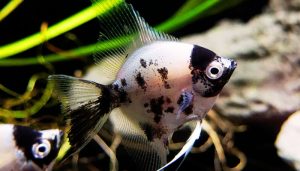
Angelfish, specifically the Pterophyllum scalare species, are popular choices for community tanks due to their striking appearance and relatively peaceful nature. However, they can become aggressive, especially during breeding.
It’s essential to choose suitable tank mates that won’t provoke this behavior. Generally, small fish like tetras, rasboras, and catfish make ideal companions, as they swim in different parts of the tank and do not compete for territory. A well-planned community tank setup is vital to accommodate the needs of angelfish while ensuring the safety of other species.
To maintain a peaceful environment, consider setting up a 55-gallon tank, which provides ample swimming space and room for territorial disputes. The tank should be tall, mimicking their natural habitat, allowing your freshwater angelfish to swim freely.
Including plenty of plants, driftwood, and slate can create hiding spots and reduce stress among fish. Additionally, maintaining proper water conditions, including temperature and filtration, is crucial for the overall health of the aquarium and its inhabitants.
Best Practices for Keeping Angelfish in Community Tank?
To successfully keep angelfish in a community aquarium, it’s important to observe certain best practices. First, ensure that your tank has a strong filtration system to maintain optimal water quality.
Angelfish thrive in freshwater conditions with a temperature range of 76-82°F. Regular water changes and ensuring the right pH level between 6.8 and 7.8 will help provide a conducive environment for your freshwater fish. Additionally, adding a substrate of gravel can enhance the aesthetic appeal while allowing beneficial bacteria to thrive.
It’s also important to maintain a balanced ratio of fish in the tank. Avoid overcrowding, as this can lead to stress and aggression among the angelfish and their tank mates. A good rule of thumb is to keep one pair of angelfish for every 20 gallons of water.
Monitoring their behavior, particularly during breeding, will help you make necessary adjustments to avoid conflicts. For instance, if aggression arises, creating separate breeding areas or removing the pair during spawning can be beneficial.
What Should You Feed Your Angelfish in Community Tank?
Feeding angelfish in a community tank requires a balanced diet to ensure their health and vitality. High-quality flakes or pellets designed for cichlids are excellent staples, as they provide the necessary nutrients.
Supplementing their diet with live or frozen foods such as brine shrimp, bloodworms, and daphnia can enhance their health and promote vibrant coloring. It’s important to feed them small amounts multiple times a day, ensuring they consume it all within a few minutes to prevent food waste and water quality issues.
In addition to protein-rich foods, incorporating vegetable-based options is essential. Blanched spinach or spirulina flakes can provide necessary fiber and vitamins.
Observing your angelfish while feeding can help you determine their preferences and adjust the diet accordingly. Maintaining a varied diet will not only promote optimal growth but also keep your fish happy and active within the community tank, contributing to a thriving aquarium ecosystem.
How to Manage Angelfish Behavior in a Community Tank?
Managing angelfish behavior in a community tank can be challenging, especially during breeding. Angelfish are known to exhibit territorial behavior, particularly when they are preparing to lay their eggs.
To mitigate aggression, it’s essential to provide plenty of hiding spots using plants, rocks, and decorations. This allows other fish to escape if the angelfish become hostile. Understanding the social dynamics of the fish in your aquarium can greatly assist in maintaining peace.
Additionally, introducing angelfish to the community aquarium gradually can help reduce aggression. Start with smaller, less aggressive species and allow the angelfish to establish their territory before introducing new tank mates.
Monitoring their interactions closely will help you identify any signs of stress or aggression. If necessary, separating the breeding pair temporarily can prevent them from chasing other fish too aggressively, allowing all inhabitants to coexist peacefully in the aquarium.
How Can You Successfully Breed Angelfish in a Community Tank?
Breeding angelfish in a community tank presents unique challenges, but with the right conditions, it can be achieved successfully. To encourage spawning, ensure that your tank is well-maintained, with a stable temperature and excellent water quality.
Angelfish typically prefer to lay their eggs on flat surfaces like slate or broad leaves, so providing suitable spawning sites is essential. When a pair of adult angelfish decides to breed, they will often chase other fish away from the area, which is natural behavior.
During the breeding process, it is advisable to separate the pair from the community tank to ensure the safety of the fry once they hatch. If the eggs are fertilized, they will take around 48 hours to hatch.
After hatching, the fry will remain attached to the spawning surface for a few days before becoming free-swimming. It’s important to provide suitable food for the fry, such as infusoria or finely crushed flakes, to ensure their growth and survival in the initial stages of life.
What Are the Common Challenges of Keeping Angelfish in a Community Tank?
Keeping angelfish in a community tank comes with its set of challenges. One of the most common issues is aggression, particularly during breeding seasons. Angelfish can become territorial, chasing away smaller or less aggressive fish, which can lead to stress or injury.
It’s essential to select tank mates wisely and monitor the interactions closely, especially when the angelfish are preparing to spawn.
Another challenge is maintaining water quality. As angelfish are sensitive to changes in their environment, any fluctuations in temperature, pH, or ammonia levels can lead to health problems. Regular water changes and testing water parameters can help mitigate these risks.
Additionally, the introduction of new fish can disrupt the established social hierarchy, leading to conflicts. Therefore, acclimating new species gradually and ensuring they are compatible with angelfish is crucial for a successful community aquarium.
What is the Ideal Setup for a Community Tank with Angelfish?
An ideal setup for a community tank with angelfish should focus on creating a comfortable and natural environment. A 55 gallon tank is often recommended, as it provides sufficient space for swimming and territorial behavior.
The tank should be tall, mimicking the angelfish’s natural vertical swimming patterns. Incorporating a variety of plants, such as tall grasses and leafy species, will not only enhance the aesthetic but also offer hiding spaces for other freshwater fish.
In terms of substrate, a layer of gravel helps anchor plants and promotes beneficial bacteria growth. Additionally, a well-functioning filtration system is crucial to maintain water quality.
Regular maintenance, including water changes and testing, ensures that the tank remains a healthy habitat for your angelfish and their tank mates. Consider adding decor like driftwood and slate, which can provide spawning surfaces, making your aquarium a thriving ecosystem for all species involved.
Conclusion
Keeping wild angelfish in a community tank can be a fulfilling endeavor, provided you follow best practices and maintain a keen eye on their behavior and environment. By selecting appropriate tank mates, feeding them a balanced diet, and managing their aggressive tendencies, you can create a harmonious aquatic community. Understanding the unique breeding habits of angelfish and preparing your tank for successful spawning will further enhance your aquarium experience. Despite the challenges that may arise, the beauty and grace of angelfish make them a rewarding addition to any fish tank.
Top posts
- Coral Beauty Angelfish: Care, Diet & Tank Setup Guide
- How Many Angelfish in a 55 Gallon Tank: (The Secret Formula)
- The Complete Guide to Angel fish Tank Setup and Breeding Tips
- Full Grown Angel fish: Size, Care, and Tank Requirements
- Can Angelfish Live with Bettas? (Compatibility & Tank Setup)
- Lemon peel Angelfish: Care, Tank Mates, and Diet Guide
- Keeping Angelfish with Gourami: Compatibility, Tips & Setup
- Angelfish Mating vs. Fighting: Key Signs to Watch For
- How Many Angelfish in a 75 Gallons Tank (The Right Number)
- Troubleshooting Angelfish is Not Eating – Causes & Quick Fixes
- Exploring the Angelfish Habitat: Rivers & Ecosystems
- Can You Keep Angelfish in a 20 Gallon Tank? (Pros & Cons)
- Will Angelfish Eat Other Small Fish: (What You Need to Know)
- Best Tips for Taking Care of an Angelfish in Your Aquarium
- Exploring Angel fish in the Wild: How They Adapt and Survive